Vision
Neural
Pipelines
Deconstructing the layers of spatial intelligence that transform raw sensor streams into actionable navigation logic for autonomous platforms.
Inference Chain
Sequential Data Transformation
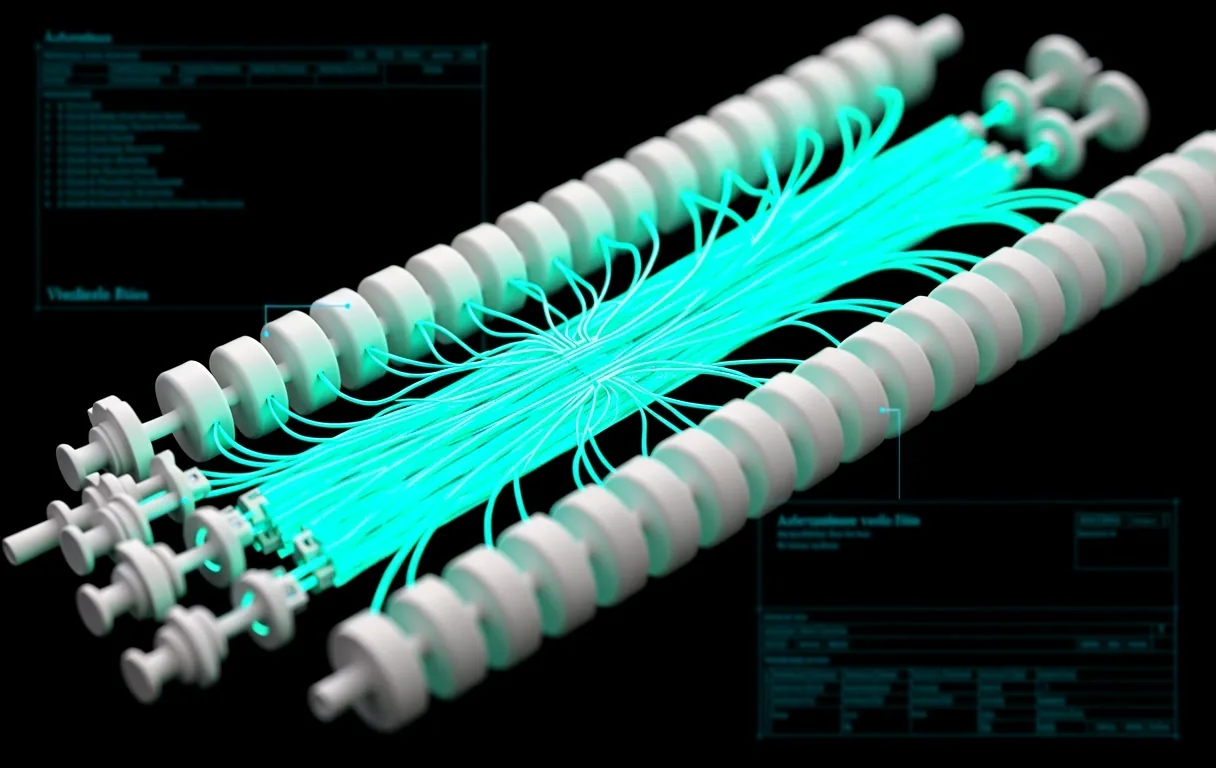
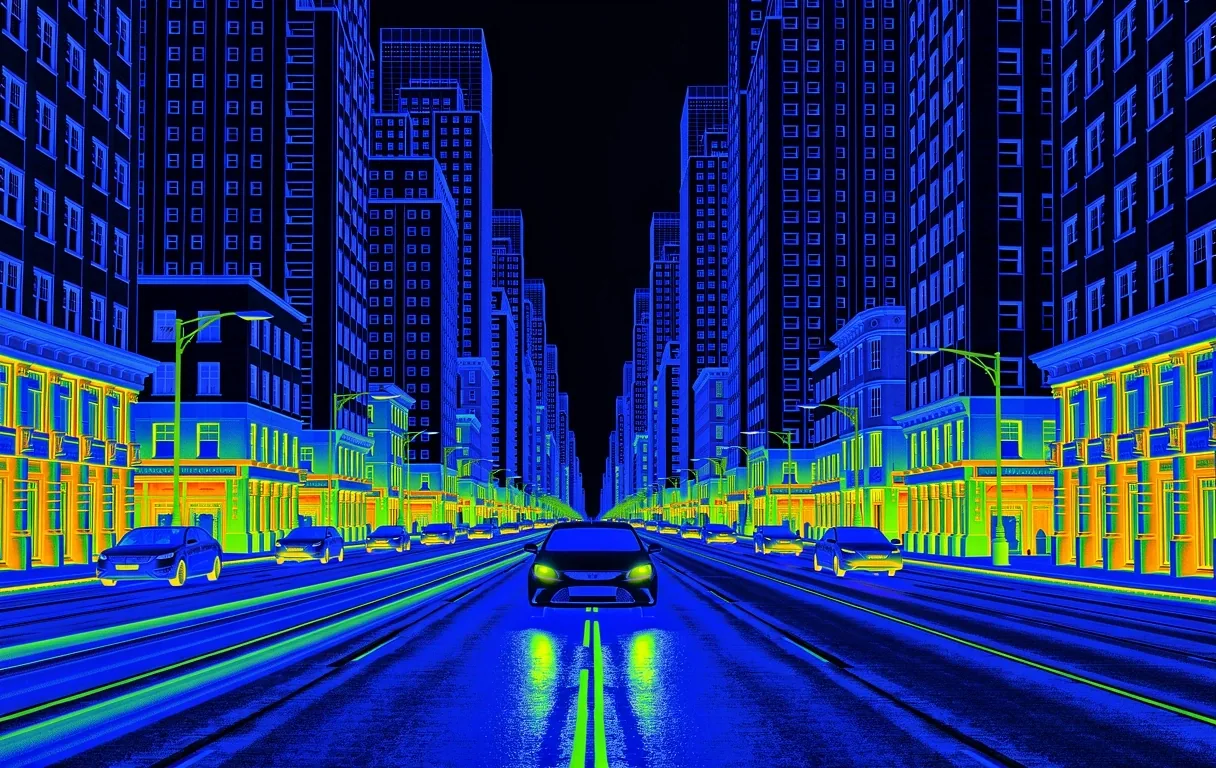
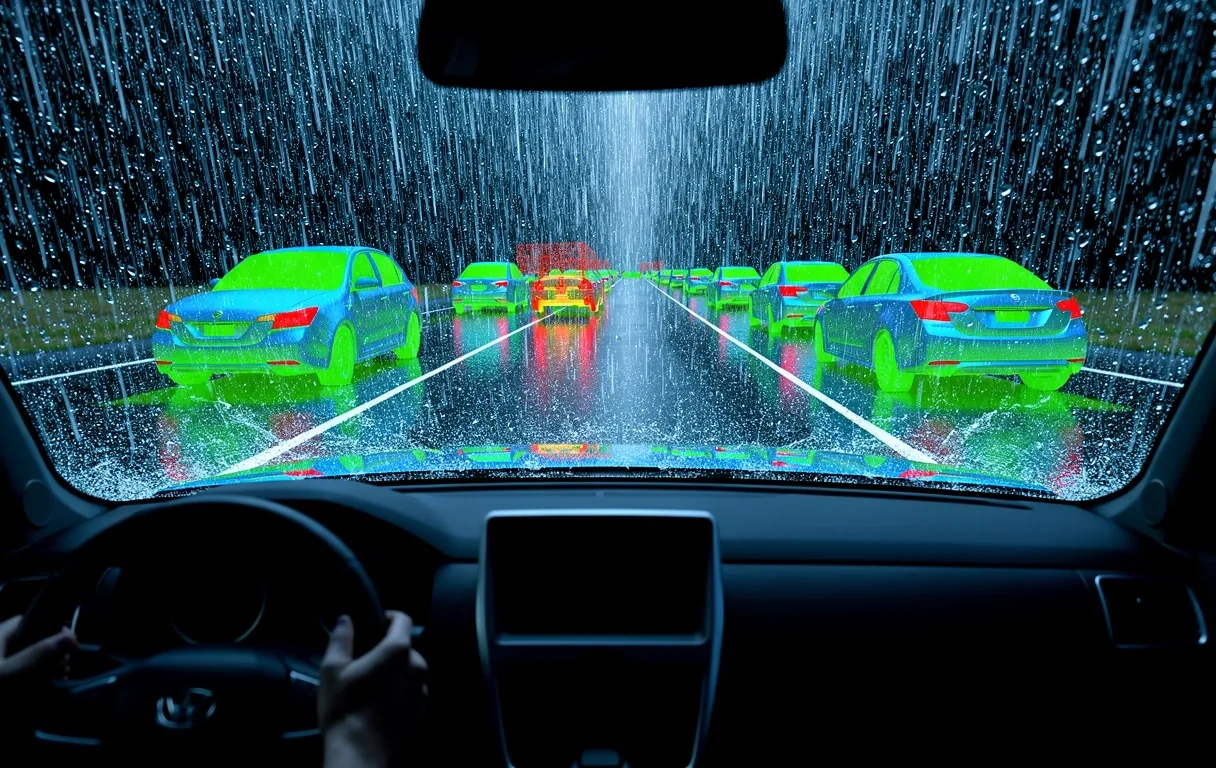
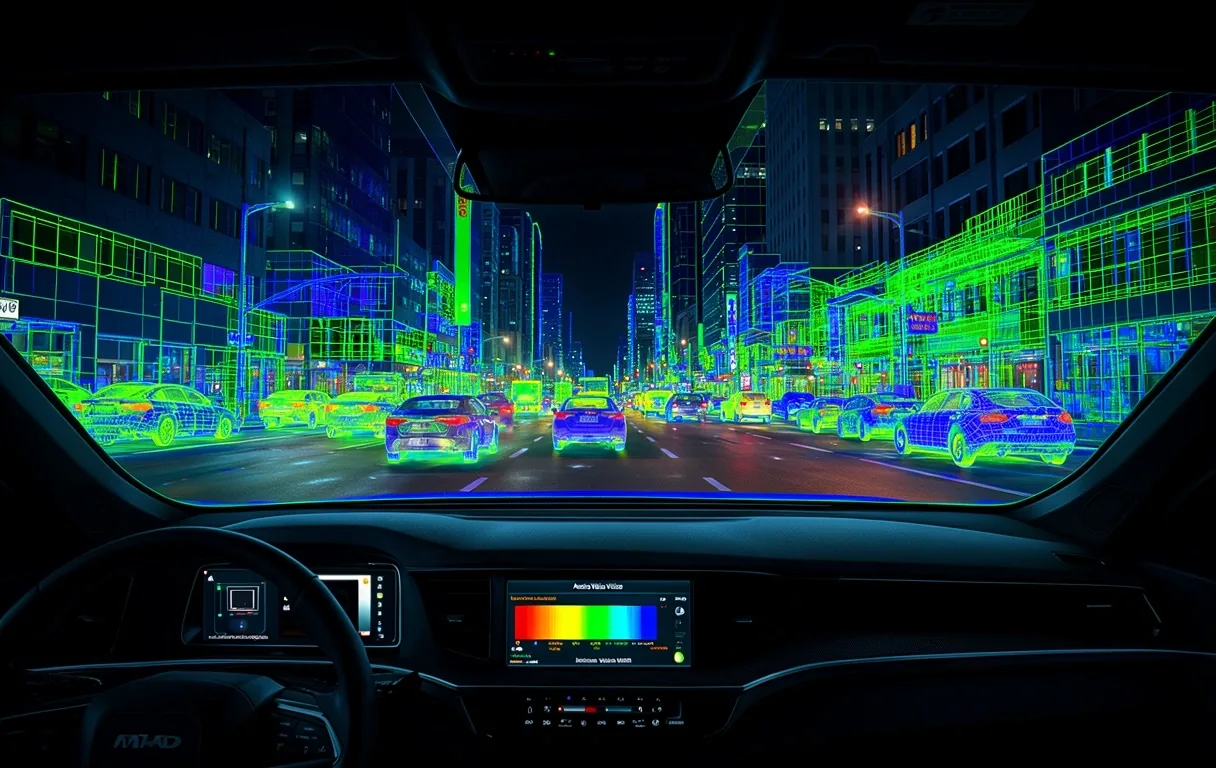
Our vision pipeline isn't a single monolithic model. It is a orchestrated sequence of neural layers designed to extract maximum semantic meaning from minimal compute cycles. By decoupling backbone feature extraction from temporal fusion, we achieve robust navigation in environments ranging from Vancouver's rain-slicked corridors to highway-speed transit.
Input Pre-processing
Normalization and noise filtering of multi-spectral sensor feeds to reduce algorithmic variance caused by atmospheric distortion.
Backbone Feature Extraction
High-density convolutional layers identifying low-level primitives like edges, textures, and gradient shifts.
Temporal Fusion Head
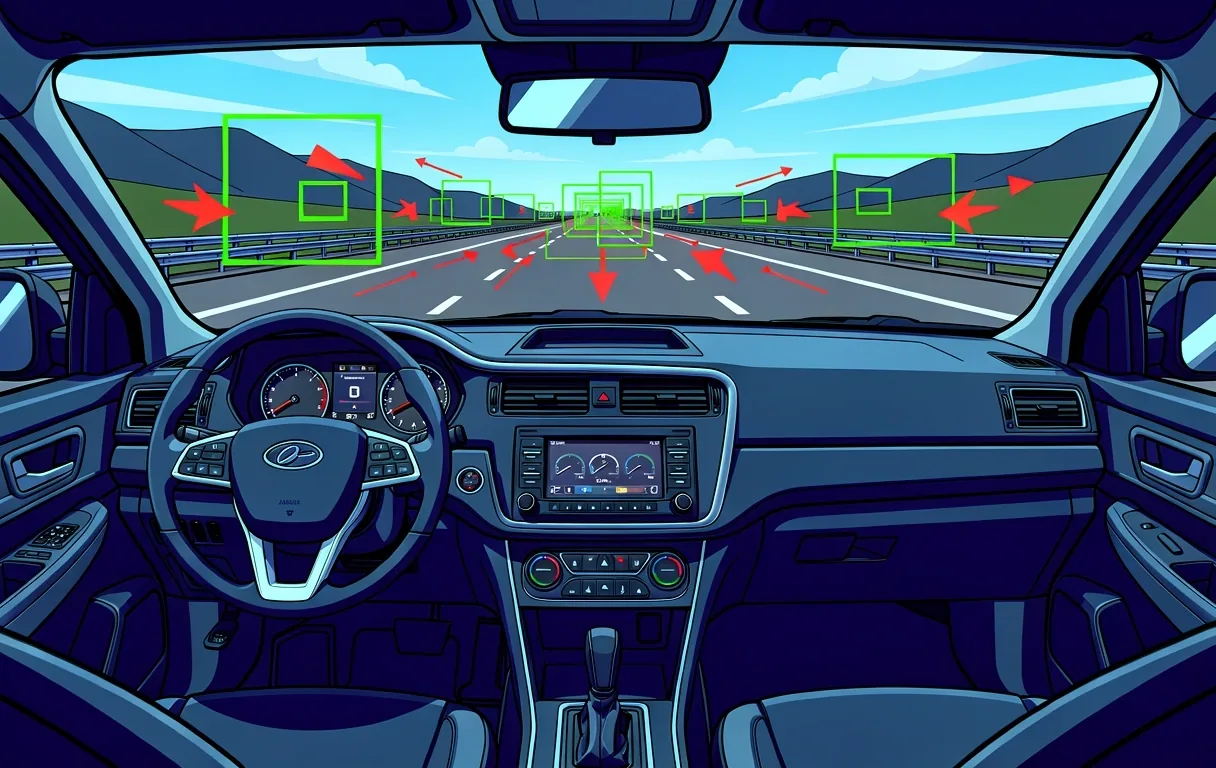
Integrating multi-frame history to resolve object persistence and calculate 3D velocity vectors for moving actors.
The Convergence of CNN and Vision Transformers
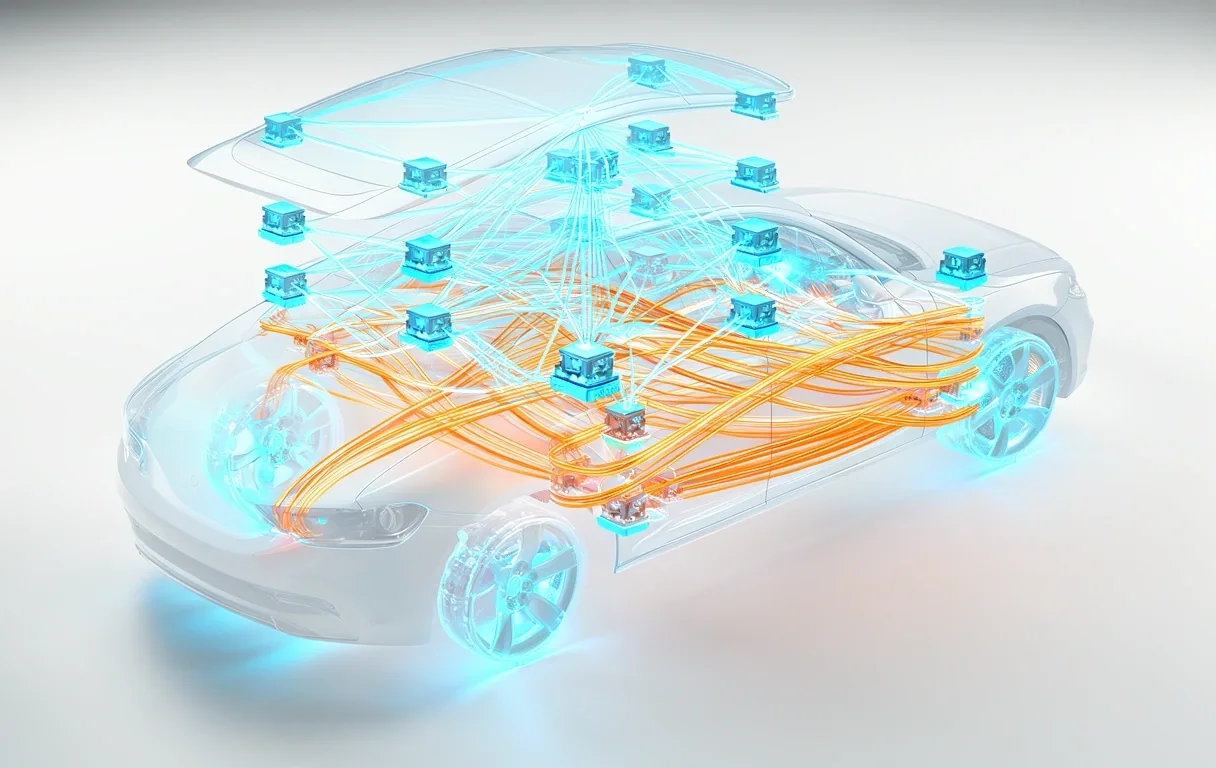
Selecting the right backbone defines the operational ceiling of the autonomous system. We weigh latency against global scene understanding.
Convolutional Neural Networks
Excels in local feature localizations and low-power edge deployments. Best for high-frequency obstacle detection.
Vision Transformers (ViT)
Employs global attention mechanisms to model long-range spatial relationships. Ideal for complex urban navigation.
Inference Optimization
We specialize in hybrid architectures that utilize CNNs for depth estimation and Transformers for behavioral intent prediction.
Knowledge Base
Tools and Technical Guides
Updated documentation for autonomous systems developers and computer vision researchers.
Vision-First Safety Protocol
Comprehensive breakdown of high-density semantic segmentation prior to sensor fusion layers.
Calibration Workflow
Step-by-step methodology for aligning visual headers with LiDAR point arrays in constrained ODDs.
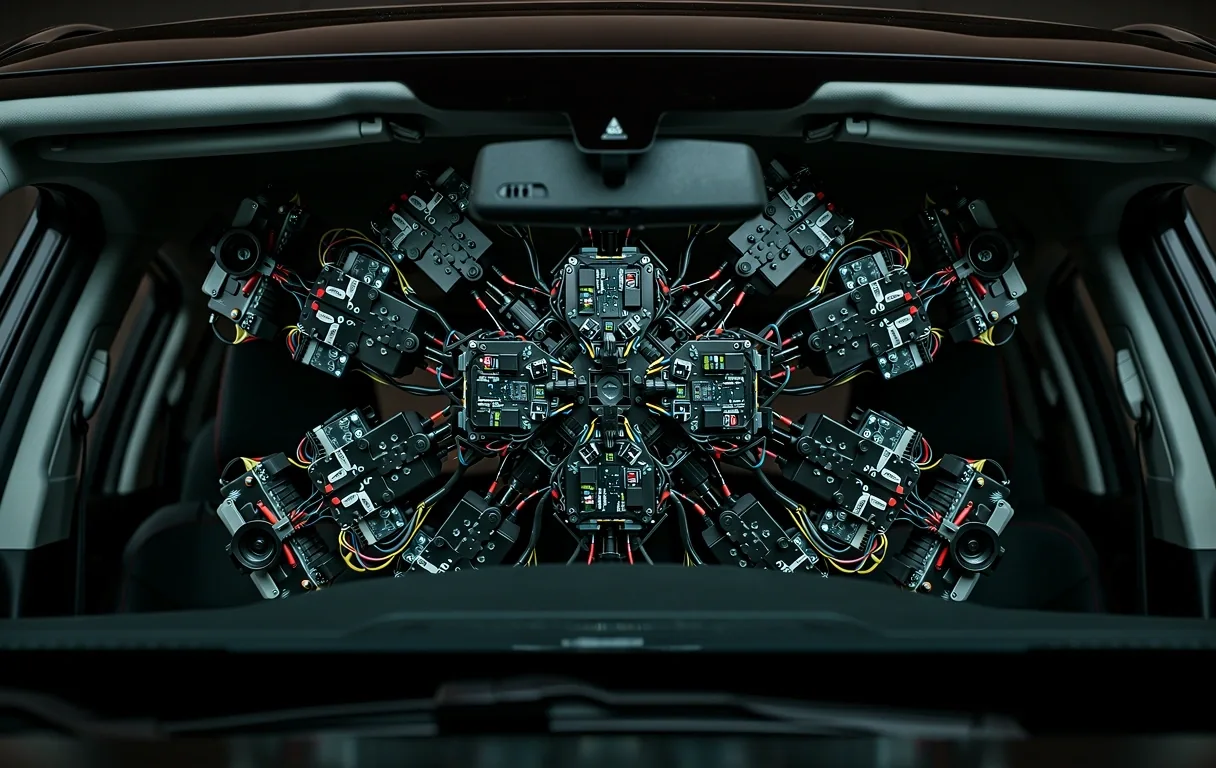
Architecture Consultation
Inquire with our Vancouver engineering team regarding custom navigation stack optimization.
Contact TeamEnvironmental Robustness Tests
Request a Technical Evaluation
Review your current sensor suite and navigation architecture with our Vancouver-based computer vision specialists.