Multi-Layered Redundancy
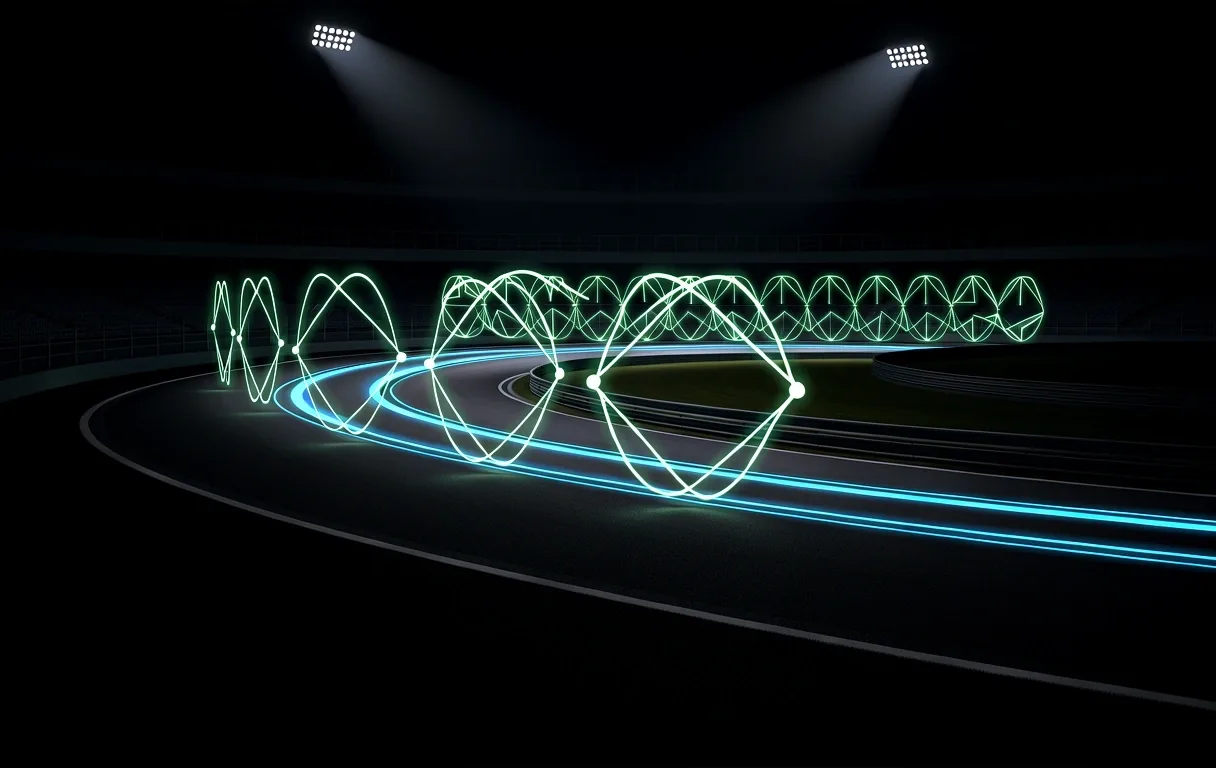
Autonomous vision reliability is not achieved through a single superior model, but through a fail-safe architecture of vision dissimilarity. We optimize for high-integrity navigation where primary sensors are cross-verified by secondary deterministic layers.
-
01
Sensor Dissimilarity Architecture
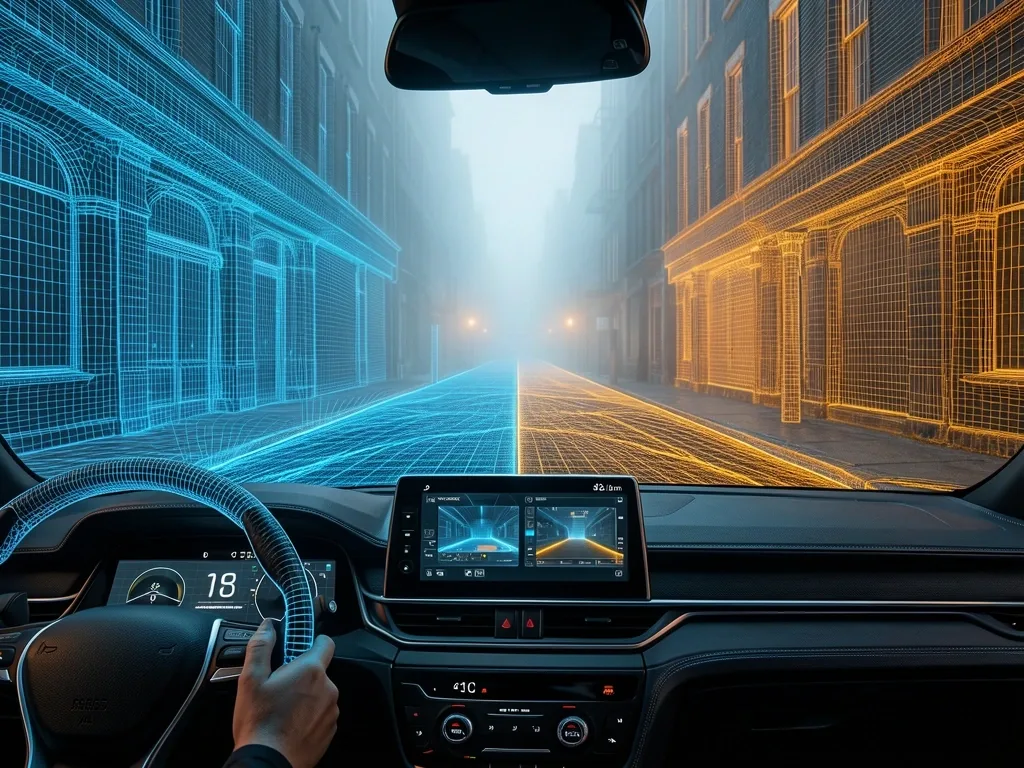
Utilizing independent algorithmic pipelines to interpret raw data feeds differently, ensuring that a semantic failure in one neural network does not propagate through the system.
-
02
Deterministic Override Protocol
Hard-coded geometric constraints that serve as a safety boundary, overriding AI decisions if they conflict with physical laws or emergency obstacle boundaries.
-
03
Real-time Fault Detection Cycle
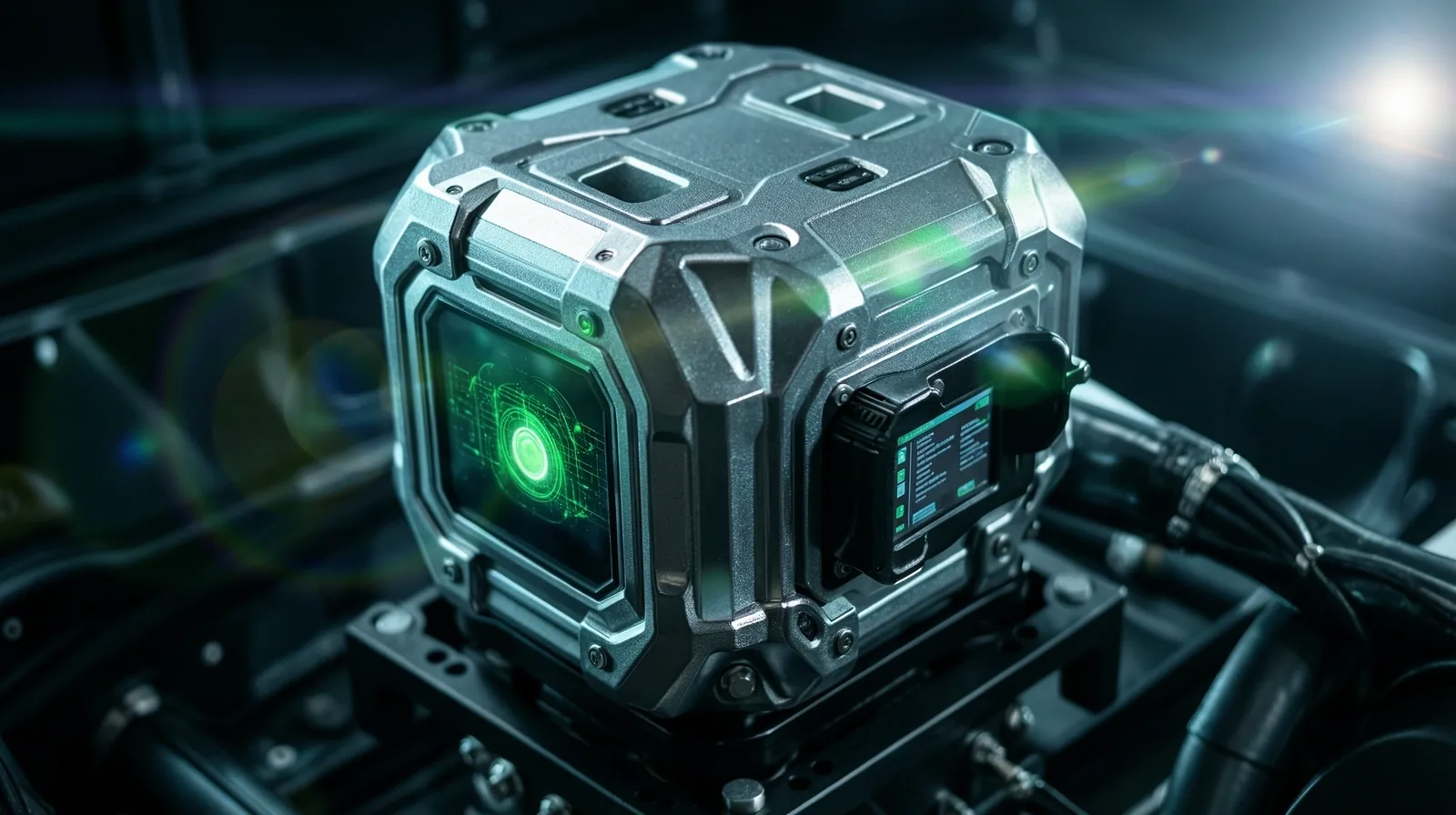
Continuous latency monitoring and inference-health checks that transition the vehicle to a safe state within milliseconds of identifying vision pipeline degradation.
The Validation Cycle
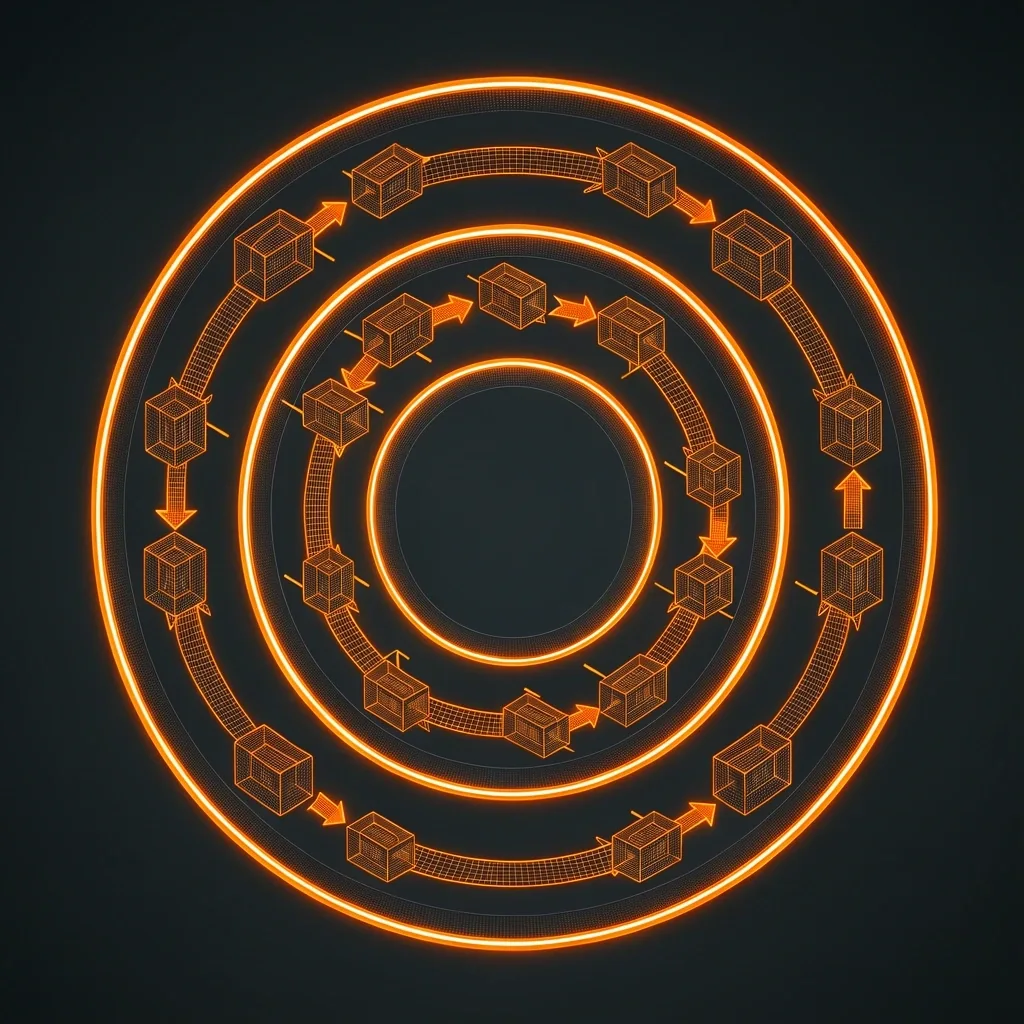
Every algorithm released by CoachGrow Vision undergoes a rigorous three-stage verification process to ensure reliability across global operational design domains.
Edge Case Simulation
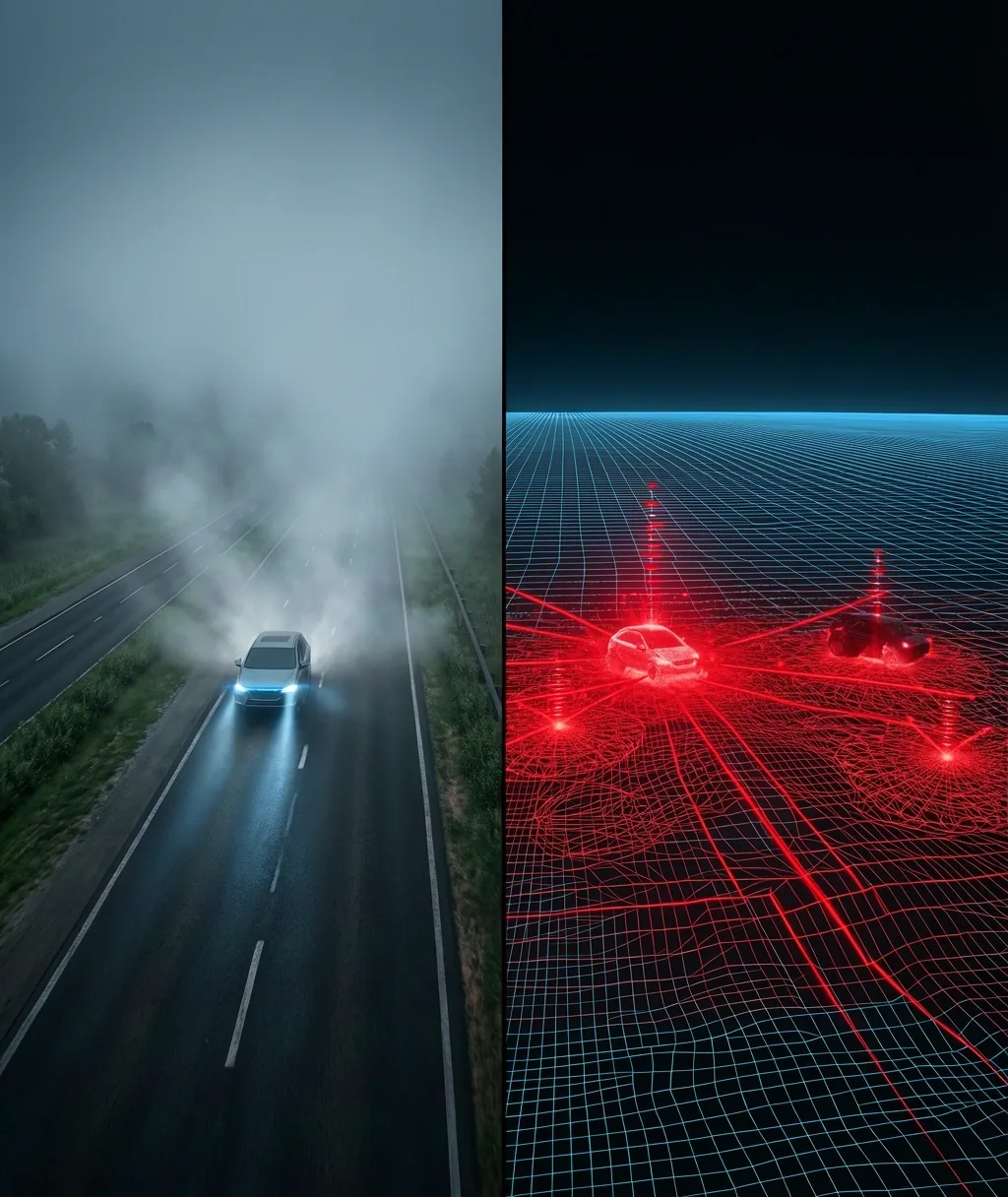
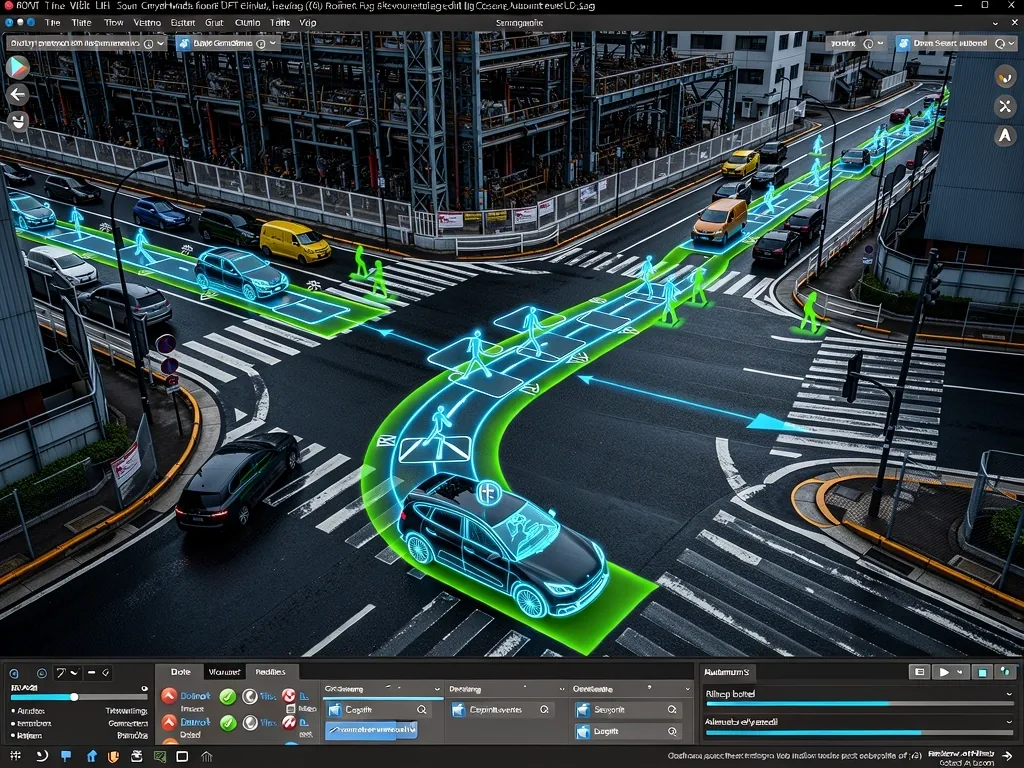
Generating millions of synthetic miles featuring extreme weather, irregular road geometry, and rare sensor anomalies to test model durability.
Shadow Mode Deployment
Running vision stacks alongside human-driven fleets in Vancouver to compare predicted vs. actual behavior without granting control. This ensures our autonomous reliability matches human performance before integration.
Open-Loop Validation
Final hardware-in-the-loop stress tests for compute efficiency.
Metric Tracking
Beyond Vision:
Computational Trust
We believe safety is an engineering outcome, not a marketing promise. By aligning our computer vision research with established automotive safety concepts such as ASIL-D, we provide technical frameworks that are auditable, repeatable, and fundamentally secure for urban navigation.
Addressing Core Skepticism
Transparent answers to the most critical hardware and software safety concerns.
Our system employs multi-spectral sensor fusion and noise-filtering algorithms specifically tuned for typical Pacific Northwest conditions—heavy rain, low-hanging mist, and reflected glare from slick pavement. We utilize temporal consistency checks to distinguish between environmental noise and actual physical hazards.
The vision stack is designed with a hardware "heartbeat" monitor. If the primary OS or the inference engine hangs, a low-level deterministic controller triggers an immediate Safe Stop Maneuver. This physical layer does not rely on neural networks, ensuring basic braking and hazard activation always remain viable.
Yes. Every firmware or model update passes through a regression suite of over 50,000 real-world recorded scenarios. No update is deployed until it proves a net-positive improvement in safety metrics without degrading performance in established edge cases.
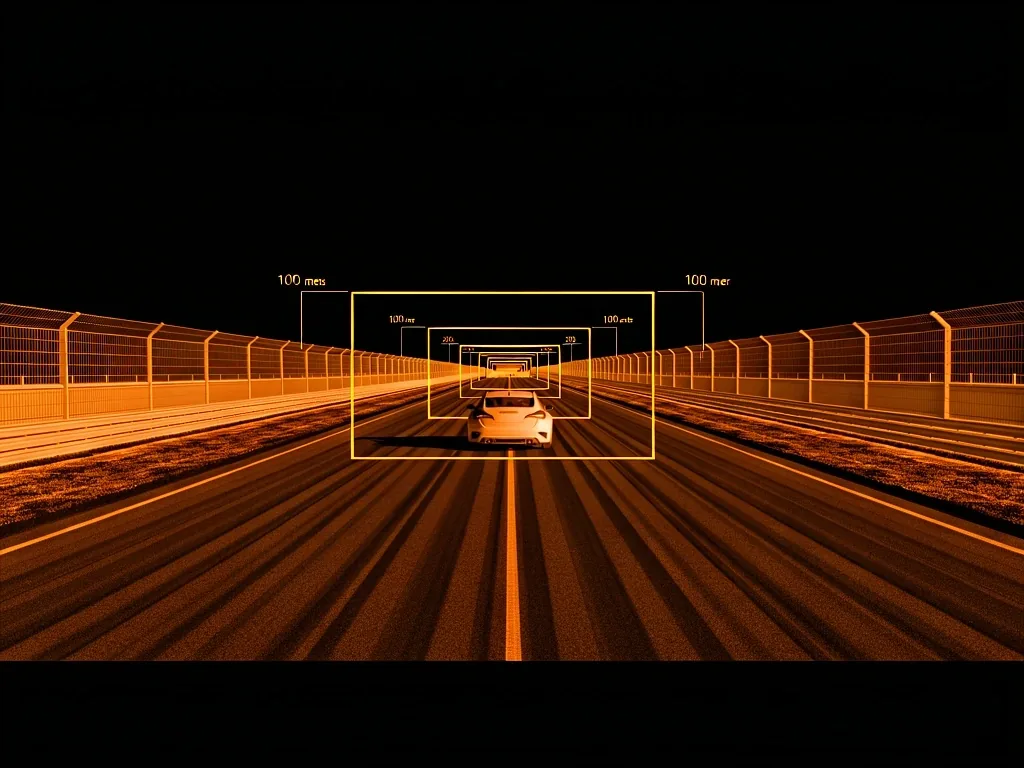
Environmental Scenarios
Field data archives reflecting our testing diversity.
Review Safety Methodology
Download our detailed whitepaper on autonomous vision redundancy and V2 protocol updates.
Request WhitepaperImplementation Consultation
Discuss how our safety standards can be adapted for your specific hardware-constrained environment.